
Complete Perfume Guide: How to Test, Apply, and Where to Spray for Best Results

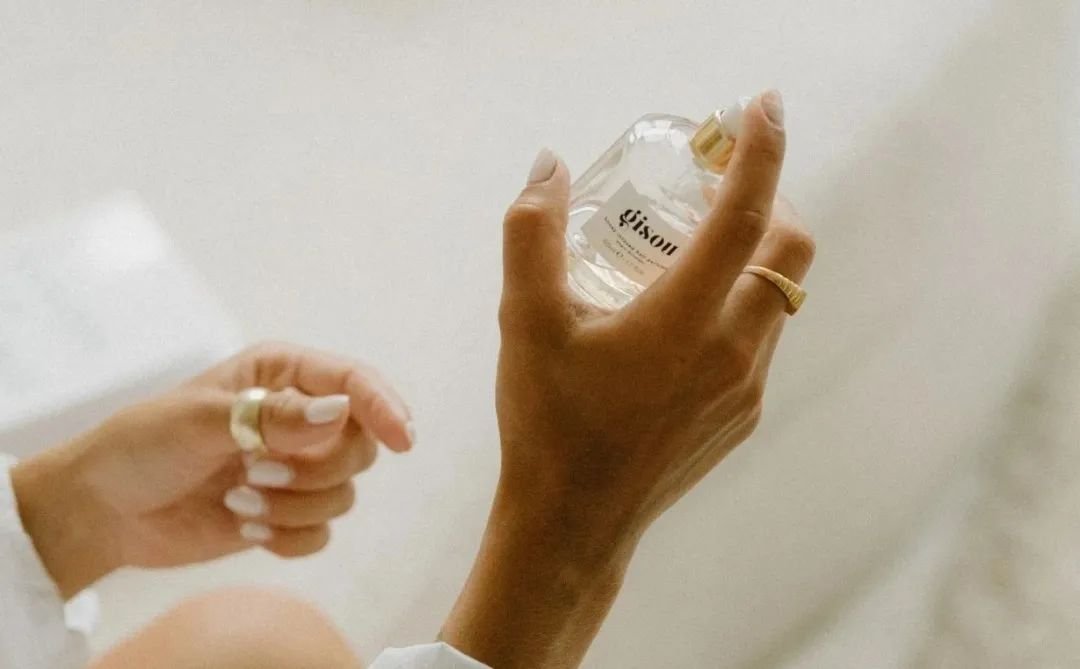
Perfume is not just a fragrance—it’s a lifestyle and a form of art. To truly enjoy its beauty, it’s important to know how to test a fragrance, the right way to spray perfume, and which parts of the body make the scent last longer. This ultimate guide will walk you through everything you need to know about perfume usage, step by step.
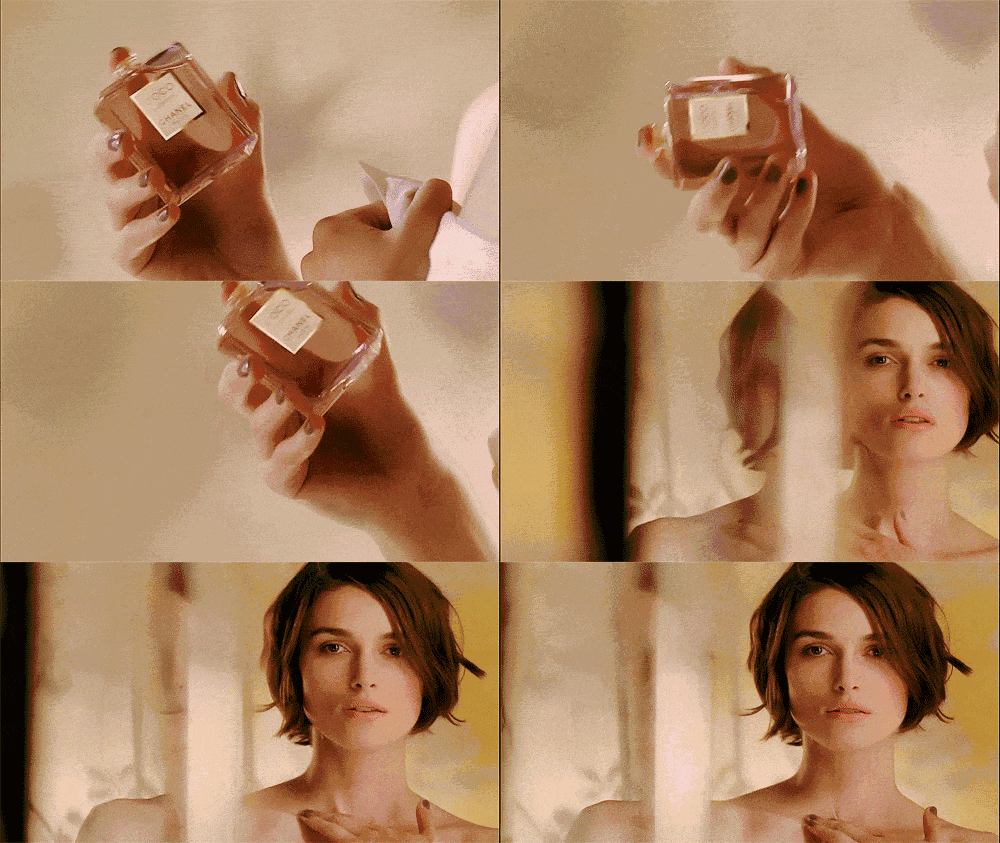
1. How to Test Perfume?
On a blotter (testing strip): Spray perfume on a cotton-based testing strip to experience its purest scent, without any chemical changes from the skin.
On skin: Spray a small amount on your wrist or the back of your hand to feel how the fragrance interacts with your unique body chemistry, creating a scent that is truly yours.
Tip: Always let the alcohol evaporate before smelling. Sniffing too early may numb your sense of smell and weaken sensitivity.
2. How to Apply Perfume Correctly?
Perfume can be applied in two main ways:
① Dab method: Use your finger to apply a small amount of perfume directly on your skin, gently rubbing it in for better absorption.
② Spray method: Thanks to the spray nozzle, perfume application is now simpler and more controlled. Just press lightly for the right dosage without wasting the fragrance.
💡 For best results, spray perfume on areas with higher body temperature and strong blood circulation—commonly known as pulse points. These include the inner elbows, behind the ears, below the throat, behind the knees, and anywhere you can feel your pulse. The warmth helps the fragrance diffuse better and last longer.
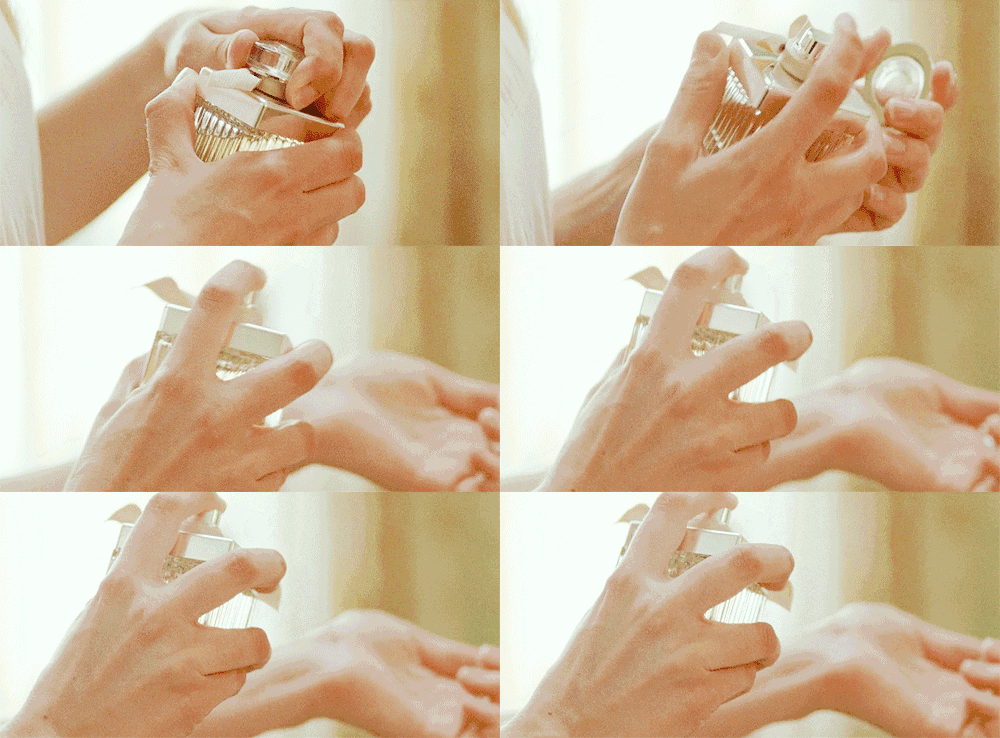
3. Can You Layer Perfumes (Fragrance Layering)?
Mixing multiple perfumes might sound fun, but it’s not always a good idea—especially for beginners. Each perfume is a complex formula where every ingredient is carefully balanced. Spraying multiple scents together can easily create an unpleasant clash.
For experienced users, layering perfumes can be a creative experiment. To try it safely:
Choose perfumes with simpler formulas and more natural notes.
Make sure their fragrance families and accords complement each other.
💡 Jo Malone is one of the few brands that actively promotes fragrance layering. Guerlain’s Aqua Allegoria collection is also well-suited for layering.
4. Should You Spray Perfume on Clothes or Skin?
Perfume behaves differently on clothing and skin:
① On Clothes (More Subtle)
Clothes show the perfume’s original scent without skin chemistry changes.
The fragrance lasts longer but has weaker projection, meaning it stays close to you.
⚠️ Caution: Perfume alcohol may damage delicate fabrics like silk or leather, and colored perfumes might stain light-colored clothing.
Best clothing spots:
Inner lining: Spray inside your jacket or pocket for a subtle “from within” aura.
Lingerie: Adds a private, sensual touch that feels like natural body scent.
Collar and cuffs: Creates an intimate and understated fragrance trail.
② On Skin (Highly Recommended)
Every person’s skin has a unique chemical makeup, making the same perfume smell different on different people. This is why spraying directly on the skin is usually the best way to enjoy its full character.

5. Best Places to Spray Perfume (Detailed Guide)
★★★★★ Strongly Recommended
Behind the ears: Intimate and seductive, only noticeable when someone is very close.
Inner elbows & ankles: Both are pulse points with higher heat, helping fragrance diffuse better.
Inner thighs & behind the knees: Fragrance rises naturally as alcohol evaporates, creating a lasting upward diffusion.
★★★★ Recommended
Around the navel (belly button): Creates a “natural body scent” effect as the fragrance slowly diffuses from under clothing. Avoid spraying directly inside the belly button.
Lower back: Perfect for formal occasions or evening events—spray lightly at the waist under a dress for a stunning effect.
★★★ Not Always Ideal
Hair: While moving hair can release fragrance beautifully, the alcohol in perfume dries and damages hair. Use a dedicated hair mist instead.
Neck: Not ideal when wearing jewelry, as perfume can damage metals. Sun exposure may also trigger reactions like skin irritation or dark spots due to citrus oils and UV light.
Wrists: A common but problematic spot. Frequent movement, friction, watches, and handwashing cause perfume to fade quickly. Hermès’ master perfumer Jean-Claude Ellena even noted that the skin’s pH in this area may alter citrus and floral scents.
Full-body “perfume mist”: Creates a cloud of fragrance but is wasteful and fades quickly.
★ Strongly Avoid
Armpits: Sweat mixes badly with perfume, producing an unpleasant odor.
Face: The alcohol content can irritate sensitive facial skin, causing redness or allergies.
Feet: Similar to armpits, sweat and bacteria here distort the fragrance.
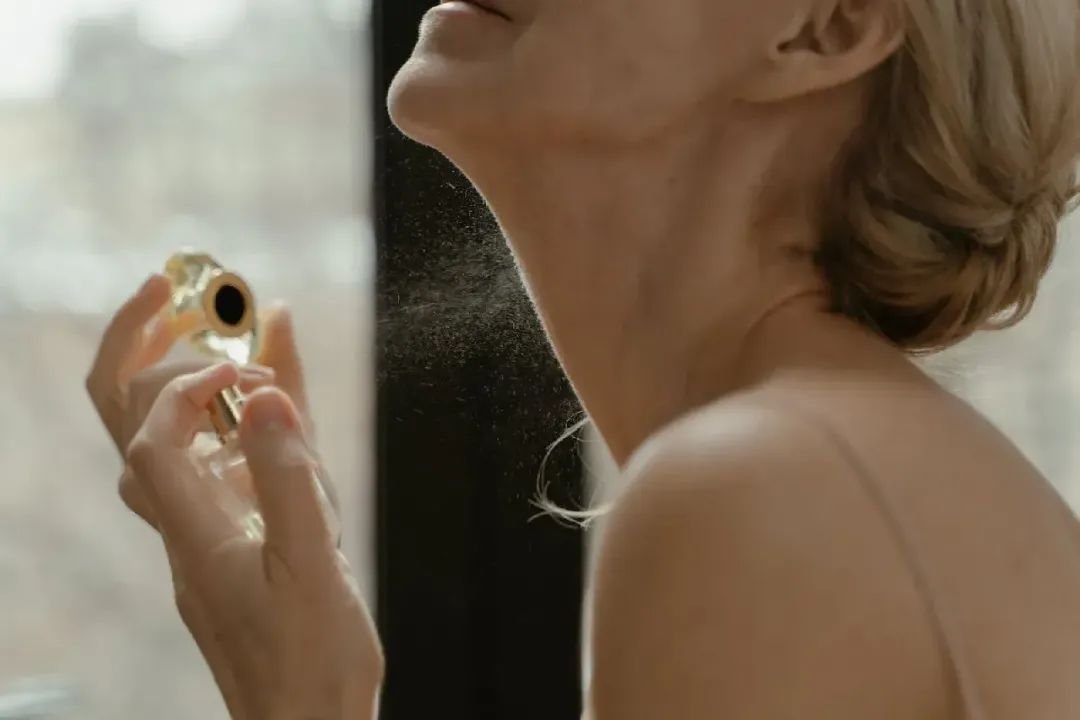
Final Thoughts: How to Make Perfume Work Best for You
Perfume application is much more than “just spray and go.” By learning how to test perfume properly, mastering spray techniques, and choosing the right application points, you can make your fragrance last longer, smell better, and reflect your unique personality.
Remember: A well-chosen and well-applied perfume doesn’t just smell good—it becomes part of your identity.